
Living with fibromyalgia means facing challenges that people without chronic pain struggle to comprehend. The widespread muscle pain, debilitating fatigue, sleep disturbances, and cognitive difficulties create a daily burden that impacts every aspect of life. You’ve likely tried numerous treatments—medications with frustrating side effects, therapies that provide minimal relief, and well-meaning advice that doesn’t acknowledge the complexity of your condition.
At Bear Naked Hot Tub & Sauna Co., we’ve worked with many fibromyalgia patients who discovered that hot tub hydrotherapy provides the natural pain relief they’d been seeking. While it’s not a cure and won’t work identically for everyone, research and real-world experience demonstrate that regular warm water immersion can significantly reduce pain, improve sleep quality, and enhance daily function for many people managing this challenging condition. Let’s explore how hot tub therapy addresses fibromyalgia symptoms and how to use it effectively as part of your pain management strategy.
Understanding Fibromyalgia Before Exploring Hot Tub Fibromyalgia Therapy
Fibromyalgia is a chronic condition characterized by widespread musculoskeletal pain, often accompanied by fatigue, sleep problems, memory issues, and mood challenges. Researchers believe fibromyalgia amplifies painful sensations by affecting how your brain and spinal cord process pain signals. Essentially, your nervous system becomes hypersensitive, interpreting normal sensations as painful and magnifying actual pain beyond typical levels.
The condition affects an estimated 4 million U.S. adults—about 2 percent of the population—with women being diagnosed more frequently than men. Fibromyalgia often develops gradually, and many people struggle for years before receiving an accurate diagnosis. There’s no definitive test for fibromyalgia; doctors diagnose it based on symptom patterns, widespread pain lasting more than three months, and the absence of other conditions that could explain the symptoms.
Common fibromyalgia symptoms include persistent dull ache affecting both sides of your body, above and below the waist. Tender points—specific spots on your neck, shoulders, back, hips, arms, and legs—become painful when pressure is applied. Fatigue persists despite sleeping for long periods, as pain and other symptoms frequently interrupt rest. Many people describe fibro fog—difficulty concentrating, paying attention, and staying mentally focused on tasks.
Understanding that fibromyalgia involves central nervous system sensitization rather than tissue damage helps explain why hot tub therapy can be effective. The treatment addresses pain processing, stress response, and sleep quality rather than trying to fix damaged muscles or joints that don’t actually exist in fibromyalgia.

How Hot Tub Therapy Addresses Fibromyalgia Symptoms
Hot tub hydrotherapy targets multiple aspects of fibromyalgia simultaneously, addressing both the physical and neurological components of this complex condition.
Pain Signal Modulation
The warm water, buoyancy, and massage from hydrotherapy jets work together to interrupt the amplified pain signals characteristic of fibromyalgia. Heat stimulates sensory receptors that compete with pain signals traveling to your brain. According to the gate control theory of pain, these pleasant sensations can essentially close the neurological gates that transmit pain messages, providing relief even when the underlying sensitivity remains.
Water heated to 100-102 degrees Fahrenheit triggers the release of endorphins—your body’s natural pain-relieving chemicals. For people with fibromyalgia, whose pain processing systems have become dysregulated, this natural pain relief mechanism can help recalibrate the nervous system toward more normal pain perception.
Muscle Tension and Stiffness Reduction
While fibromyalgia pain doesn’t stem from muscle damage, people with the condition often develop chronic muscle tension as a protective response to persistent discomfort. This tension creates additional pain and stiffness, worsening the overall symptom burden. Heat penetrates deep into muscle tissue, causing tight, contracted fibers to relax and lengthen.
Many fibromyalgia patients report that morning stiffness—a common and debilitating symptom—improves dramatically after hot tub sessions. The heat and buoyancy combination allows muscles to release tension they’ve held for months or years, providing mobility improvements that extend well beyond the immediate soak.
Sleep Quality Improvement
Sleep disturbances represent one of fibromyalgia’s most frustrating symptoms. Pain disrupts sleep, creating fatigue that worsens pain sensitivity, which further impairs sleep—a vicious cycle that’s difficult to break. Research demonstrates that warm water immersion before bed improves sleep quality by promoting relaxation and raising core body temperature. The subsequent temperature drop after exiting the hot tub signals your body that it’s time for sleep.
Better sleep doesn’t just help you feel more rested—it’s crucial for pain management. During deep sleep, your body performs essential repair processes and regulates pain sensitivity. By improving sleep quality, hot tub therapy addresses a fundamental factor that perpetuates fibromyalgia symptoms.
Stress and Anxiety Reduction
Living with chronic pain creates constant stress, and stress amplifies fibromyalgia symptoms. Hot tub therapy interrupts this stress-pain cycle by activating your parasympathetic nervous system—your body’s relaxation response. The warm water, gentle massage, and quiet environment combine to reduce cortisol levels and promote a state of calm that many fibromyalgia patients struggle to achieve through other means.
Many people with fibromyalgia report that their hot tub becomes a sanctuary—a place where they can escape the constant discomfort and mental burden of chronic illness. This psychological relief, while seemingly separate from physical symptoms, plays a crucial role in overall symptom management and quality of life.
Improved Circulation and Reduced Inflammation
Heat causes blood vessels to dilate, dramatically increasing circulation throughout your body. This enhanced blood flow delivers oxygen and nutrients to tissues while removing metabolic waste products. While fibromyalgia doesn’t involve tissue damage requiring healing, improved circulation can reduce the inflammation that often accompanies the condition and contributes to pain and stiffness.
Some research suggests that people with fibromyalgia have reduced blood flow to painful areas, potentially contributing to symptoms. Hot tub therapy directly addresses this circulatory component, potentially explaining why many patients experience significant relief from regular hydrotherapy sessions.

Research Supporting Hot Tub Therapy for Fibromyalgia
Scientific studies examining hydrotherapy for fibromyalgia consistently demonstrate positive results, validating what many patients have discovered through personal experience.
Research published in rheumatology journals shows that balneotherapy—therapeutic bathing in warm water—significantly reduces pain intensity, improves physical function, and enhances quality of life for fibromyalgia patients. Studies comparing hydrotherapy to control groups consistently find that people using warm water immersion report greater symptom improvements than those receiving standard care alone.
One notable study found that fibromyalgia patients who participated in regular hydrotherapy sessions experienced reduced tender point pain, improved sleep quality, and decreased depression scores. These improvements persisted for months after the treatment period ended, suggesting that regular hot tub use may create lasting changes in pain processing and symptom management.
The research consistently emphasizes that hydrotherapy works best when implemented consistently over time rather than as sporadic treatment. This finding aligns with our observations at Bear Naked Hot Tub & Sauna Co., where customers who establish regular routines report the most dramatic improvements in fibromyalgia symptoms.
Creating an Effective Fibromyalgia Management Protocol
Strategic implementation of hot tub therapy maximizes fibromyalgia relief while accounting for the unique challenges of this condition, including symptom variability and exercise intolerance.
Starting Slowly and Building Tolerance
People with fibromyalgia often experience post-exertional malaise—a worsening of symptoms after physical activity. While hot tub therapy isn’t exercise, the heat exposure and movement in water still create physiological demands. Start with shorter sessions of just 10-15 minutes at moderate temperatures around 98-100 degrees Fahrenheit.
Pay careful attention to how you feel during and after initial sessions. Some people experience temporary symptom increases as their bodies adjust to the therapy. This doesn’t necessarily mean hot tubs aren’t right for you—it may simply indicate you need to start more gradually. If symptoms worsen significantly, reduce session duration or temperature and build up slowly over weeks.
Once you’ve established tolerance, gradually increase to 15-20 minute sessions at your preferred temperature. Many fibromyalgia patients find their sweet spot between 100-102 degrees Fahrenheit, though individual preferences vary. The key is finding what works for your body rather than following rigid prescriptions.
Optimal Timing for Symptom Management
Morning sessions can be particularly valuable for addressing the severe stiffness that many fibromyalgia patients experience upon waking. A 15-minute soak helps loosen muscles and improve mobility, making it easier to start your day with less pain and better function.
Evening sessions 1-2 hours before bed promote better sleep quality. The relaxation response triggered by warm water helps prepare your body for rest, while the temperature drop after exiting signals your circadian system that sleep time approaches. Many fibromyalgia patients report that this bedtime routine dramatically improves both sleep onset and sleep quality.
Some people with fibromyalgia benefit from twice-daily sessions—morning for stiffness and evening for sleep. Others find that once daily works better to avoid overexertion. Listen to your body and adjust frequency based on your symptom response and energy levels.
Using Therapeutic Jets Strategically
Hydrotherapy jets provide targeted massage that can significantly enhance fibromyalgia relief, but they require careful use. People with fibromyalgia often have heightened sensitivity to pressure, making aggressive massage counterproductive. Start with jets on the lowest setting and increase gradually as tolerated.
Focus jets on your most problematic tender points—common areas include the base of the skull, between shoulder blades, the lower back, hips, and outer elbows. The combination of heat and gentle pressure can desensitize these hypersensitive areas over time, potentially reducing overall pain sensitivity.
Premium hot tubs like those from Marquis Spas and Nordic Hot Tubs offer adjustable jets that allow you to customize pressure for your current symptoms. On high-pain days, gentle pulsation might feel better than steady pressure. On better days, you might tolerate stronger massage. This flexibility proves crucial for managing a condition as variable as fibromyalgia.
Gentle Movement and Stretching
The buoyant environment of a hot tub allows gentle movement and stretching that would be too painful on land. Water supports your body weight, reducing stress on joints and muscles while providing gentle resistance that promotes circulation without triggering post-exertional symptoms.
Try slow, controlled movements: gentle neck rolls, shoulder shrugs, arm circles, and leg lifts. Move through comfortable ranges of motion without pushing into pain. The goal isn’t intense exercise but gentle movement that promotes circulation and maintains flexibility without exacerbating symptoms.
Many fibromyalgia patients find that performing their prescribed physical therapy exercises in the hot tub makes them more tolerable and effective. The warm water reduces pain during movement, allowing you to maintain mobility that might otherwise decline due to fear of pain or actual symptom limitations.

Managing Flare-Ups with Hot Tub Therapy
Fibromyalgia flare-ups—periods when symptoms intensify beyond your baseline—can be particularly challenging to manage. Hot tub therapy often provides relief during these difficult periods, though your approach may need adjustment.
During severe flare-ups, you might need to reduce session duration and temperature. Some people find that 10-minute sessions at 98-100 degrees work better during flares than their usual routine. The goal during flare-ups is symptom management and maintaining function rather than pushing through at your normal intensity.
Position yourself so jets target your most painful areas, but use lower pressure settings than usual. Your pain sensitivity increases during flares, making pressure that normally feels therapeutic potentially uncomfortable. Focus on passive relaxation and gentle heat rather than aggressive massage.
Many fibromyalgia patients report that consistent hot tub use between flares reduces their frequency and severity over time. The regular stress reduction, improved sleep quality, and pain management create a more stable baseline that may be less susceptible to dramatic symptom increases.
Combining Hot Tub Therapy with Other Fibromyalgia Treatments
Hot tub therapy works best as part of a comprehensive fibromyalgia management approach that addresses the condition’s multiple dimensions.
Medications prescribed for fibromyalgia—including pain relievers, antidepressants, and anti-seizure drugs—work synergistically with hot tub therapy. The heat enhances medication effectiveness by promoting relaxation and improving circulation, while medications reduce pain enough to make hot tub sessions more comfortable.
Cognitive behavioral therapy helps you develop coping strategies for chronic pain and addresses the anxiety and depression that often accompany fibromyalgia. Many people find that hot tub sessions provide an ideal time for practicing relaxation techniques and mindfulness meditation taught in therapy.
Gentle exercise programs designed for fibromyalgia—such as walking, swimming, or yoga—complement hot tub therapy. Some people perform their exercises in the hot tub, while others use hydrotherapy specifically for recovery and relaxation. Both approaches can be effective depending on your individual needs and symptoms.
Stress management techniques including meditation, deep breathing, and progressive muscle relaxation enhance hot tub benefits. The warm, quiet environment of your spa provides an ideal setting for practicing these techniques, potentially amplifying both the physical and psychological benefits of your sessions.
What to Expect: Realistic Timelines for Improvement
Understanding realistic expectations prevents disappointment and helps you stay committed to hot tub therapy long enough to experience meaningful benefits.
Immediate effects typically include temporary pain reduction and improved mobility lasting several hours after each session. Many fibromyalgia patients notice their symptoms decrease while in the hot tub and for a period afterward. This acute relief provides enough comfort to perform daily activities or sleep better, even if symptoms return before your next session.
Within two to four weeks of consistent use, many people experience cumulative benefits. Sleep quality often improves first, followed by gradual reductions in baseline pain levels and stiffness. You might notice you’re having more good days and fewer severe flare-ups, even if complete symptom elimination remains elusive.
Long-term users who maintain hot tub routines for three months or longer often report significant quality of life improvements. Activities that fibromyalgia had rendered impossible—working full-time, socializing regularly, pursuing hobbies—become manageable again. Many people find they can reduce pain medication use or manage symptoms with lower doses.
Remember that fibromyalgia is a chronic condition without a cure. Hot tub therapy manages symptoms and improves function rather than eliminating the underlying condition. Measure success by comparing your quality of life, symptom severity, and daily function over months rather than expecting dramatic overnight transformations.
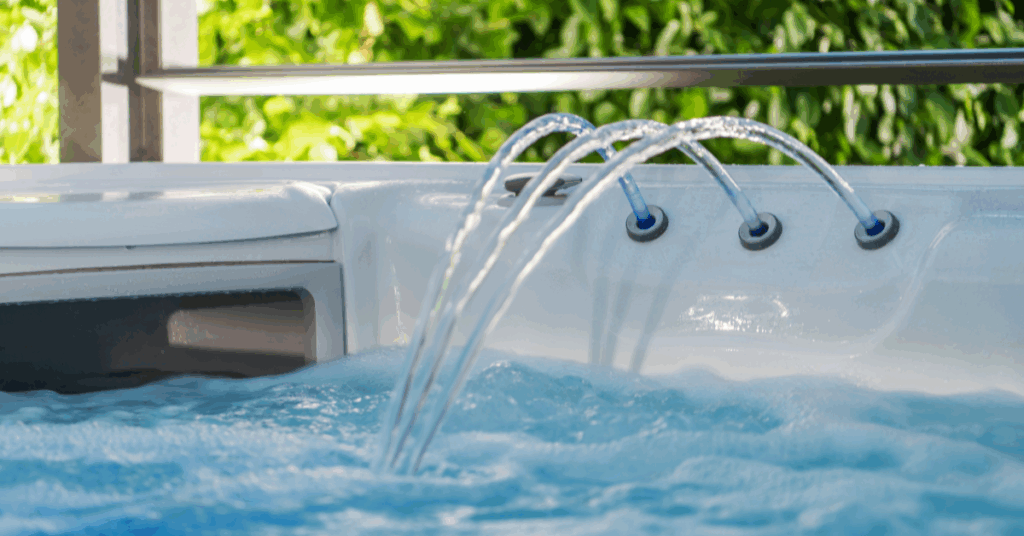
Choosing the Right Hot Tub for Fibromyalgia Management
If you’re investing in a hot tub specifically for fibromyalgia management, certain features provide better therapeutic value and ensure your purchase supports your long-term symptom control.
Comfortable Seating and Easy Access
People with fibromyalgia need comfortable seating that supports prolonged relaxation without creating new pressure points. Look for contoured seats with smooth surfaces that won’t irritate sensitive skin. Multiple seating depths allow you to choose full immersion or partial submersion based on your current symptoms and tolerance.
Easy entry and exit prove crucial when pain and stiffness limit mobility. Low-threshold entry, sturdy handrails, and non-slip steps make access safer and less painful. Models from Tropic Seas Spas and South Seas by Artesian Spas feature accessibility designs that accommodate varying mobility levels.
Adjustable Jets for Variable Symptoms
Fibromyalgia symptoms fluctuate daily, requiring flexible jet systems that accommodate varying sensitivity levels. Look for models with individual jet controls allowing you to adjust pressure from gentle to vigorous. Variable jet patterns—steady pressure, pulsation, rotation—provide options for different pain levels and preferences.
Comprehensive jet coverage targeting common fibromyalgia tender points enhances therapeutic value. The Garden Spas by Artesian Spas and Island Spas lines offer extensive jet configurations designed to address widespread pain affecting multiple body areas simultaneously.
Reliable Temperature Control
Precise, reliable temperature control ensures your therapeutic water is always ready when fibromyalgia symptoms strike. Digital controls with accurate displays help you maintain your optimal temperature consistently. Well-insulated models maintain stable temperatures without constant reheating, ensuring relief is available whenever pain flares.
Energy-efficient designs reduce operating costs, making daily hot tub therapy financially sustainable long-term. When you’re managing a chronic condition requiring consistent treatment, efficiency features that minimize utility expenses prove essential for maintaining your routine without financial stress.
Safety Considerations for Fibromyalgia Patients
While hot tub therapy benefits most fibromyalgia patients, certain considerations ensure safe, effective use.
Stay well-hydrated before, during, and after hot tub sessions. Fibromyalgia can affect your body’s temperature regulation, and dehydration compounds this issue. Keep water nearby and drink regularly throughout your session.
If you experience dizziness, nausea, or feel overheated during sessions, exit immediately and cool down. Some people with fibromyalgia have heightened sensitivity to temperature changes. Don’t push through these warning signs—reduce temperature or duration for future sessions.
People with cardiovascular conditions or those taking medications affecting blood pressure should consult their physician before beginning regular hot tub therapy. The heat stress from immersion can affect heart rate and circulation, requiring medical clearance for safe use.
Discuss hot tub therapy with your rheumatologist or primary care physician, particularly if you’re considering reducing medications based on symptom improvements. While many people successfully reduce medication use with consistent hydrotherapy, these changes should occur under medical supervision.
Finding Hope and Relief Through Hydrotherapy
Living with fibromyalgia tests your resilience daily. The constant pain, fatigue, and cognitive difficulties create frustration that people without chronic conditions struggle to understand. You’ve likely faced skepticism from others who don’t recognize fibromyalgia as a legitimate condition, making the journey even more isolating and challenging.
Hot tub therapy won’t cure your fibromyalgia or eliminate every symptom, but for many people, it provides meaningful relief that improves daily life significantly. The combination of pain reduction, better sleep, decreased stress, and improved mobility creates cumulative benefits that restore quality of life and hope for better days.
At Bear Naked Hot Tub & Sauna Co., we’ve witnessed the transformative impact regular hydrotherapy has on fibromyalgia patients. People who arrive exhausted and hurting discover that consistent hot tub use becomes a cornerstone of successful symptom management. The investment in therapeutic equipment pays dividends in reduced pain, improved function, and reclaimed quality of life.
If fibromyalgia has stolen your comfort, disrupted your sleep, and limited your activities, hot tub therapy offers a scientifically-supported approach worth exploring. Visit our showroom to experience models designed for therapeutic use. Test different seating configurations, feel the adjustable jets, and imagine how daily hydrotherapy sessions might impact your symptom management and quality of life.
Our knowledgeable staff understands chronic pain conditions and can guide you toward hot tub features that provide maximum fibromyalgia relief. We’ll help you find the right combination of comfort, accessibility, and therapeutic power to support your journey toward better symptom control.
You deserve relief from constant pain. You deserve better sleep, reduced fatigue, and the ability to participate in life’s activities without constant suffering. While fibromyalgia presents significant challenges, hot tub hydrotherapy provides a natural, research-backed tool that addresses multiple symptoms simultaneously. Take the first step toward reclaiming your quality of life—discover how the healing power of warm water immersion might transform your fibromyalgia management and restore hope for more comfortable, functional days ahead.