
Your cardiovascular system works tirelessly every moment of every day, pumping blood through an intricate network of vessels that deliver oxygen and nutrients to every cell in your body. When circulation becomes compromised—whether from aging, sedentary lifestyle, medical conditions, or other factors—the effects ripple throughout your entire health. Poor circulation can manifest as cold hands and feet, numbness, muscle cramps, fatigue, and even contribute to more serious cardiovascular complications.
At Bear Naked Hot Tub & Sauna Co., we’ve helped countless health-conscious customers discover how regular hot tub use significantly improves circulation and supports cardiovascular wellness. The hot tub circulation benefits extend far beyond simple relaxation, offering a scientifically-supported approach to enhancing blood flow, reducing blood pressure, and promoting heart health. Let’s explore how hydrotherapy transforms your circulatory system and what you can realistically expect from incorporating this therapeutic practice into your wellness routine.
Understanding Hot Tub Circulation Benefits: The Science of Heat and Blood Flow
When you immerse yourself in warm water heated to 100-104 degrees Fahrenheit, your body initiates a cascade of physiological responses designed to regulate temperature and maintain homeostasis. These responses directly impact your circulatory system in profound and beneficial ways.
Heat causes vasodilation—the widening of blood vessels throughout your body. As vessels expand, resistance to blood flow decreases, allowing your heart to pump blood more efficiently with less effort. This improved circulation delivers oxygen-rich blood to tissues that may have been receiving inadequate supply, while simultaneously removing metabolic waste products that accumulate in poorly circulated areas.
Research demonstrates that hot water immersion can increase blood flow by up to 150 percent in peripheral areas like hands and feet. This dramatic improvement explains why people with chronically cold extremities often experience immediate warmth and comfort during hot tub sessions. The enhanced circulation extends well beyond the soak itself, with benefits persisting for hours afterward as vessels remain more pliable and responsive.
The cardiovascular workout your heart receives during hot tub therapy mimics moderate exercise in some ways. Your heart rate increases by 10-15 beats per minute as your body works to dissipate heat and maintain circulation. This gentle cardiovascular stimulation strengthens heart muscle over time without the joint stress or physical exertion required by traditional exercise, making it particularly valuable for people with mobility limitations or exercise intolerance.
How Hydrotherapy Addresses Poor Circulation
Poor circulation affects millions of people, creating symptoms that range from annoying to debilitating. Understanding how hot tub therapy addresses the underlying mechanisms of circulatory dysfunction helps you maximize therapeutic benefits.
Peripheral Circulation Improvement
Peripheral circulation—blood flow to your extremities—often suffers first when circulatory function declines. Cold hands and feet, numbness in fingers and toes, and slow wound healing in extremities all signal compromised peripheral circulation. The vasodilation triggered by hot water immersion dramatically improves blood flow to these areas.
The heat penetrates deep into tissues, causing even small capillaries to dilate and accept more blood flow. Many people with poor peripheral circulation report that their hands and feet feel warm for the first time in years after just one hot tub session. With regular use, these improvements often become more sustained as blood vessels maintain better tone and responsiveness.
Reducing Blood Pressure Through Vessel Relaxation
High blood pressure often results from chronically constricted blood vessels that create excessive resistance to blood flow. The relaxation effect of warm water immersion helps vessels release this constant tension, allowing blood to flow more freely and reducing the pressure required to circulate it throughout your body.
Multiple studies examining the cardiovascular effects of regular hot tub use show modest but meaningful reductions in both systolic and diastolic blood pressure. While hot tub therapy shouldn’t replace prescribed blood pressure medications, it can complement medical treatment and potentially reduce medication requirements over time when used consistently under medical supervision.
Breaking Up Circulatory Stagnation
Sedentary lifestyles create areas of circulatory stagnation where blood pools rather than flowing efficiently. This pooling contributes to swelling in legs and feet, varicose veins, and the general sluggish feeling that accompanies poor circulation. The combination of heat, buoyancy, and hydrostatic pressure in a hot tub addresses these issues from multiple angles.
Water pressure gently compresses tissues, helping push pooled blood back into circulation. The heat dilates vessels to accept this returning blood flow, while buoyancy reduces gravitational stress that normally impedes venous return from lower extremities. Together, these effects create a circulatory reset that can significantly reduce swelling and improve overall blood flow patterns.

Cardiovascular Health Benefits Beyond Circulation
The hot tub circulation benefits extend to broader cardiovascular health improvements that support your heart and blood vessels in multiple ways.
Heart Rate Variability and Cardiovascular Fitness
Heart rate variability—the variation in time between heartbeats—serves as an important marker of cardiovascular health and stress resilience. Higher variability generally indicates better cardiovascular fitness and autonomic nervous system balance. Regular hot tub use has been shown to improve heart rate variability, suggesting enhanced cardiovascular adaptability and stress response.
The gentle cardiovascular conditioning from repeated heat exposure creates adaptations similar to those from moderate aerobic exercise. Your heart becomes more efficient at pumping blood, your vessels become more responsive to circulatory demands, and your overall cardiovascular reserve improves. These adaptations accumulate over weeks and months of consistent use, creating meaningful improvements in cardiovascular fitness without the physical demands of traditional exercise.
Inflammation Reduction and Arterial Health
Chronic inflammation damages arterial walls, contributing to atherosclerosis and cardiovascular disease. The heat stress from hot tub therapy triggers anti-inflammatory responses that can help protect arterial health. Heat shock proteins activated during warm water immersion have protective effects on blood vessels, potentially slowing the progression of arterial disease.
Research examining markers of inflammation in regular hot tub users shows reductions in C-reactive protein and other inflammatory compounds associated with cardiovascular disease. While more research is needed to fully understand these mechanisms, the anti-inflammatory effects of hydrotherapy appear to contribute meaningfully to cardiovascular protection.
Blood Sugar Regulation and Metabolic Health
Improved circulation enhances your body’s ability to regulate blood sugar by facilitating glucose transport to muscles and tissues. Studies have shown that regular hot water immersion can improve insulin sensitivity and glucose metabolism, particularly in people with type 2 diabetes or metabolic syndrome.
Better circulation means more efficient nutrient delivery and waste removal throughout your body, supporting metabolic health that extends far beyond simple blood flow improvement. The cardiovascular and metabolic benefits work synergistically, creating compound health improvements over time.
Optimizing Your Hot Tub Routine for Maximum Circulation Benefits
Strategic implementation of hot tub therapy maximizes circulatory benefits while ensuring safe, sustainable use that supports long-term cardiovascular health.
Ideal Temperature and Duration
For optimal circulation benefits, water temperature between 100-104 degrees Fahrenheit provides the therapeutic sweet spot. This range triggers significant vasodilation and cardiovascular response without creating excessive stress that could be counterproductive or unsafe.
Session duration of 15-20 minutes allows sufficient time for full circulatory effects to develop without overtaxing your cardiovascular system. Some people benefit from slightly longer sessions at lower temperatures—perhaps 20-25 minutes at 98-100 degrees—which provides sustained vasodilation with less cardiovascular demand.
Consistency matters more than session length. Daily 15-minute sessions typically produce better long-term circulation improvements than sporadic 45-minute soaks. The regular stimulus trains your cardiovascular system to respond more efficiently, creating cumulative benefits that continue building over weeks and months.
Timing for Cardiovascular Optimization
Evening hot tub sessions offer particular cardiovascular benefits. The relaxation and blood pressure reduction that occur during evening soaks help prepare your cardiovascular system for restful sleep. Quality sleep, in turn, supports cardiovascular health through multiple mechanisms including blood pressure regulation and inflammation reduction.
Some people with circulation issues find that morning sessions help jumpstart their circulation for the day, reducing the cold extremities and sluggish feeling that often accompany poor blood flow. Experiment with timing to discover what works best for your individual circulation patterns and lifestyle.
Enhancing Effects with Gentle Movement
While passive relaxation in your hot tub provides significant circulation benefits, incorporating gentle movement can enhance blood flow even further. The buoyant environment allows movement that would be difficult or impossible on land, creating opportunities for cardiovascular stimulation without excessive stress.
Try simple movements like ankle pumps, leg lifts, arm circles, and gentle stretching. The water’s resistance provides light cardiovascular challenge while buoyancy prevents the joint stress associated with land-based exercise. This combination proves particularly valuable for people whose circulation problems limit their ability to exercise traditionally.
The premium models from Marquis Spas and Nordic Spas feature spacious designs that accommodate gentle exercise movements while still providing the therapeutic jet massage that enhances circulation through mechanical stimulation of tissues.
Who Benefits Most from Hot Tub Circulation Therapy
While virtually everyone experiences improved circulation from hot tub use, certain populations derive particularly meaningful benefits from regular hydrotherapy.
People with Diabetes and Metabolic Syndrome
Diabetes and metabolic syndrome often compromise circulation through multiple mechanisms including arterial damage, inflammation, and impaired vessel function. Regular hot tub use can help counteract these effects by improving blood flow, reducing inflammation, and enhancing insulin sensitivity.
Research specifically examining hot water immersion in diabetic patients shows improvements in circulation markers, blood sugar control, and overall cardiovascular health. The circulation benefits prove particularly valuable for preventing or managing diabetic complications like peripheral neuropathy and poor wound healing.
Individuals with Raynaud’s Phenomenon
Raynaud’s phenomenon causes extreme constriction of blood vessels in fingers and toes in response to cold or stress, creating painful episodes of numbness and color changes. The vasodilation from hot water immersion provides direct relief during episodes while potentially reducing their frequency and severity with regular use.
Many people with Raynaud’s report that consistent hot tub therapy helps their hands and feet stay warmer overall, with fewer and less severe episodes. The improved baseline circulation and vessel responsiveness that develop with regular use appear to reduce the tendency toward excessive vasoconstriction.
Seniors with Age-Related Circulatory Decline
Aging naturally reduces circulatory efficiency through arterial stiffening, decreased vessel responsiveness, and reduced cardiovascular reserve. Hot tub therapy addresses these age-related changes by maintaining vessel pliability, promoting cardiovascular conditioning, and supporting overall circulatory health.
For seniors with mobility limitations that prevent traditional exercise, hot tub therapy offers a gentle alternative for maintaining cardiovascular fitness and circulation. The low-impact nature makes it accessible even for those with arthritis, balance issues, or other conditions that limit exercise options.
Athletes and Active Individuals
Athletes benefit from enhanced circulation for recovery, performance, and injury prevention. Improved blood flow accelerates muscle recovery by delivering oxygen and nutrients while removing metabolic waste products that contribute to soreness and fatigue.
The circulation boost from regular hot tub use may enhance athletic performance by improving cardiovascular efficiency and supporting the circulatory demands of intense training. Many competitive athletes incorporate hydrotherapy into their training regimens specifically for these cardiovascular and recovery benefits.
Safety Considerations for Circulatory Health
While hot tub therapy benefits most people’s circulation, certain situations require medical guidance or specific precautions to ensure safe, effective use.
People with cardiovascular disease, uncontrolled high blood pressure, or those who have recently experienced heart attack or stroke should consult their cardiologist before beginning regular hot tub therapy. The cardiovascular demands of heat exposure, while generally beneficial, may require modification or monitoring in these situations.
Medications affecting blood pressure or heart rate may interact with the cardiovascular effects of hot water immersion. Blood pressure medications, in particular, can cause excessive blood pressure drops when combined with hot tub use. Discuss your medication regimen with your healthcare provider to ensure safe hot tub use.
Pregnant women should exercise caution with hot tub use, as excessive core body temperature elevation poses risks to fetal development. If your obstetrician approves hot tub use during pregnancy, limit water temperature to 100 degrees or below and session duration to 10 minutes or less.
Stay well-hydrated before, during, and after hot tub sessions. Heat exposure increases fluid loss through sweating, and dehydration compromises circulation and cardiovascular function. Keep water nearby and drink regularly throughout your soak.
Exit the hot tub slowly and carefully, particularly if you’re new to hydrotherapy or have circulation issues. The vasodilation and cardiovascular changes that occur during soaking can cause lightheadedness upon standing if you rise too quickly. Sit on the edge for a moment before standing fully to allow your circulatory system to adjust.
Choosing a Hot Tub Optimized for Circulation Benefits
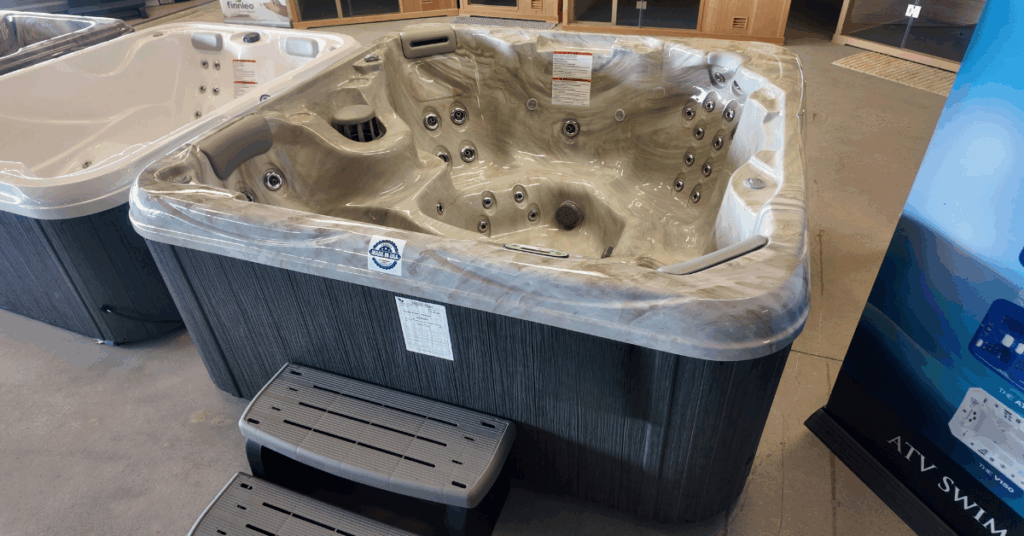
While any hot tub provides some circulation benefits, certain features enhance the cardiovascular advantages you’ll experience from regular use.
Precise Temperature Control
Consistent temperature maintenance ensures you receive optimal circulatory benefits session after session. Digital controls with accurate displays help you dial in your ideal therapeutic temperature and maintain it throughout your soak. Quality models from Tropic Seas Spas offer reliable temperature control that maintains therapeutic ranges without frustrating fluctuations.
Therapeutic Jet Configuration
While circulation benefits come primarily from heat exposure, therapeutic jets enhance blood flow through mechanical massage that stimulates tissues and promotes local circulation. Look for models with jets positioned to target major muscle groups and areas prone to poor circulation.
The South Seas Spas, Garden Spas, and Island Spas lines feature comprehensive jet coverage designed to promote circulation throughout your body while providing the relaxation that supports cardiovascular health.
Comfortable Seating for Extended Sessions
To receive full circulation benefits, you need to maintain comfortable positioning for the entire 15-20 minute session. Ergonomically designed seats that support your body properly prevent the fidgeting and position changes that interrupt the sustained heat exposure necessary for maximum circulatory effects.
Look for varied seating depths that allow you to adjust how much of your body is submerged. Full immersion to neck level maximizes circulatory benefits by exposing your entire body to therapeutic heat, while bench seats provide options for those who prefer partial submersion or need to moderate heat exposure.
Frequently Asked Questions
How long does it take to see circulation improvements from hot tub use?
Most people notice immediate improvements in circulation during and shortly after hot tub sessions, with hands and feet feeling warmer and overall blood flow improving noticeably. These acute benefits typically last several hours after each session. For sustained improvements in baseline circulation, consistent use over 2-4 weeks generally produces measurable changes. Long-term users who maintain regular routines for three months or more often experience significant improvements in chronic circulation issues, with benefits continuing to accumulate over time.
Can hot tubs help with varicose veins and leg swelling?
Yes, hot tub therapy can help reduce leg swelling and may slow the progression of varicose veins, though it won’t reverse existing vein damage. The combination of heat-induced vasodilation, hydrostatic pressure from water, and improved overall circulation helps reduce venous pooling that contributes to both swelling and varicose vein development. Regular use often provides noticeable reduction in leg swelling and the heavy, achy feeling associated with poor venous return. However, people with severe varicose veins or venous insufficiency should consult their vascular specialist before beginning hot tub therapy to ensure it’s appropriate for their specific condition.
Is hot tub therapy safe for people with high blood pressure?
Hot tub therapy can be beneficial for people with high blood pressure when used appropriately and with medical clearance. The vasodilation and relaxation from warm water immersion typically cause modest blood pressure reductions that support cardiovascular health. However, people with uncontrolled high blood pressure or those on multiple blood pressure medications should consult their physician before beginning regular hot tub use. Your doctor can help you determine safe session durations and temperatures based on your specific cardiovascular status and medication regimen. Many people with well-controlled hypertension safely enjoy hot tub therapy as part of their cardiovascular health maintenance.
How does hot tub therapy compare to exercise for improving circulation?
Hot tub therapy and exercise improve circulation through different but complementary mechanisms. Exercise strengthens your heart, builds cardiovascular capacity, and improves circulation through increased demand and adaptation. Hot tub therapy enhances circulation through heat-induced vasodilation, reduced vascular resistance, and cardiovascular conditioning from heat stress. Neither fully replaces the other—both offer unique benefits. For people unable to exercise due to mobility limitations, pain, or other restrictions, hot tub therapy provides valuable cardiovascular stimulation and circulation improvement that might otherwise be inaccessible. For active individuals, hot tub therapy complements exercise by supporting recovery, maintaining vascular health, and providing additional cardiovascular benefits without additional physical stress.
Embracing Circulation Health Through Hydrotherapy
Your circulatory system forms the foundation of your overall health, delivering life-sustaining oxygen and nutrients while removing waste products that would otherwise accumulate and cause dysfunction. When circulation becomes compromised, every system in your body feels the effects. Hot tub therapy offers a proven, accessible approach to supporting circulatory health that complements medical treatment and healthy lifestyle practices.
The hot tub circulation benefits extend far beyond the pleasant warmth and relaxation you experience during each session. Regular hydrotherapy creates measurable improvements in blood flow, blood pressure, cardiovascular fitness, and overall circulatory function that accumulate over time, supporting health and vitality throughout your body.
At Bear Naked Hot Tub & Sauna Co., we’ve witnessed the transformative impact that consistent hot tub therapy has on circulation and cardiovascular health. Customers who initially purchased hot tubs for relaxation often discover that the circulation improvements become their most valued benefit, enabling them to stay active, comfortable, and healthy as they age.
If you’re concerned about your circulation, struggling with cold extremities, managing cardiovascular risk factors, or simply want to support your heart health proactively, hot tub therapy deserves serious consideration as part of your wellness strategy. Visit our Loveland showroom to experience different models designed to deliver maximum therapeutic benefits. Our knowledgeable staff can guide you toward hot tubs with features specifically beneficial for circulation and cardiovascular health.
Your cardiovascular system works tirelessly to keep you alive and healthy. Give it the support it deserves through the proven circulation benefits of regular hot tub hydrotherapy. The investment in your circulatory health today pays dividends in vitality, comfort, and wellbeing for years to come.