Setting up an outdoor sauna is one of the most rewarding ways to transform your backyard into a relaxing, health-focused retreat. But before you enjoy your first session, the right setup is essential—both for safety and long-term performance. An outdoor sauna requires proper electrical installation, a stable foundation, and thoughtful comfort upgrades to ensure it operates efficiently, withstands Colorado’s climate, and delivers the rejuvenating experience you’re looking for.
At Bear Naked Hot Tub & Sauna Co., we help homeowners throughout Northern Colorado design, prepare, and install their outdoor saunas correctly from day one. Whether you choose a traditional Finnish sauna, a barrel sauna, or a cabin-style model, this guide covers the key considerations that every homeowner should understand before installation begins.
1. Electrical Requirements for Outdoor Saunas
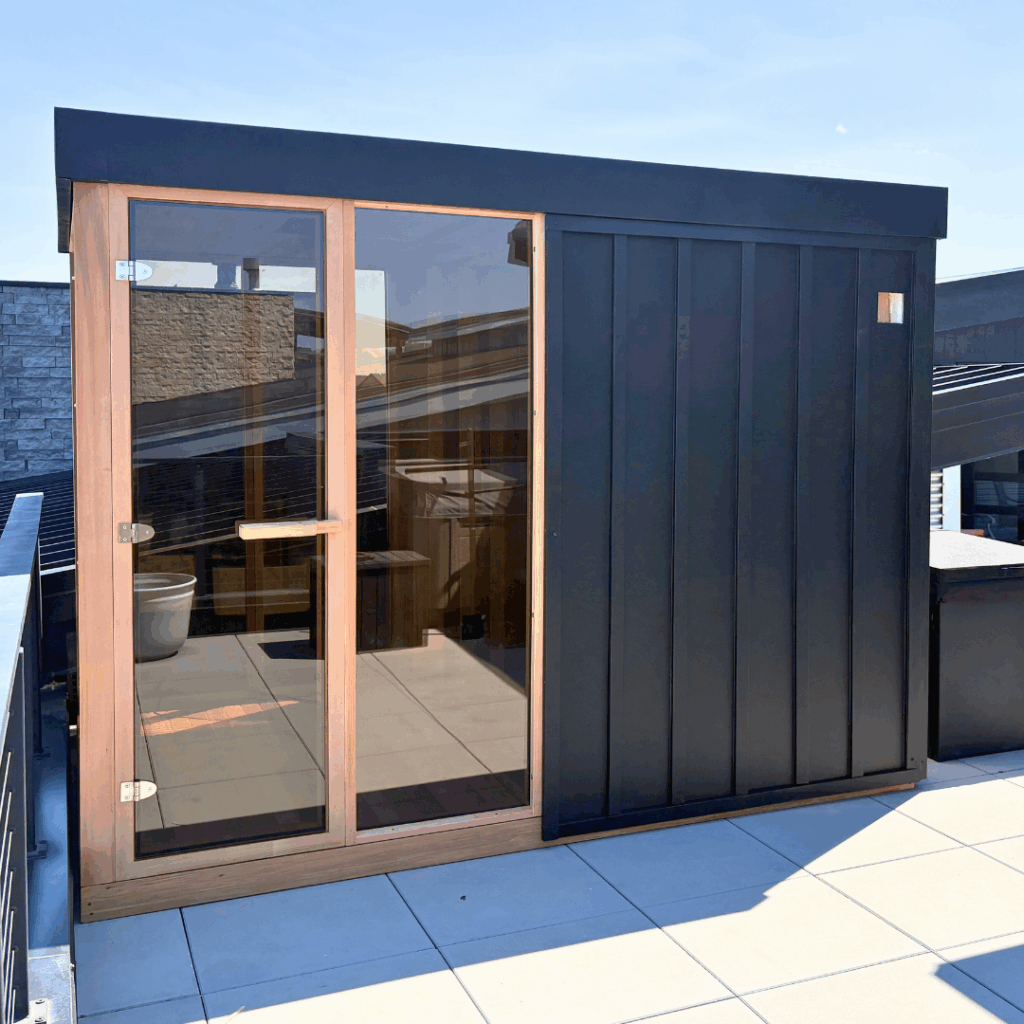
Electrical setup is one of the first—and most important—steps in preparing for your outdoor sauna. Most models require a dedicated electrical connection to safely power the heater, interior lighting, and optional accessories.
Traditional Electric Saunas
Traditional saunas with electric heaters typically require:
-
220–240V electrical connection
-
A dedicated GFCI breaker
-
Outdoor-rated conduit and wiring
-
Professional installation by a licensed electrician
Electric sauna heaters can range from 4.5 kW to 9 kW, depending on the sauna size. Larger models or multi-heater systems will require additional power considerations.
Infrared Outdoor Saunas
Infrared saunas often use lower wattages but still need:
-
A dedicated 110V or 120V line
-
Proper outdoor protection for outlets and wiring
-
A weather-safe access point to the power source
Some infrared models designed for outdoor use come with integrated electrical systems, but they still require a safe, grounded connection.
Why Professional Installation Matters
Improper electrical setup is one of the biggest risks in outdoor sauna installations. Hiring an electrician ensures:
-
Code-compliant wiring
-
Correct breaker sizing
-
Safe moisture-protected connections
-
Proper grounding
-
Warranty compliance
Sauna heaters should never be installed with extension cords or modified wiring. Proper electrical work ensures safety, smooth operation, and long-term reliability.
2. Foundation Options for Outdoor Saunas
A solid foundation is essential for stability, drainage, and long-term durability. Without proper support, your sauna may shift, trap moisture, or develop structural issues. Fortunately, several foundation styles work well for outdoor saunas.
Concrete Slab
A concrete pad is the most durable option and ideal for:
-
Larger cabin-style saunas
-
Heavy models with thick wood walls
-
Snowy climates requiring strong support
Concrete provides the best long-term stability and resists shifting during freeze-thaw cycles common in Colorado.
Paver or Stone Base
Pavers are a popular and visually appealing option. They offer:
-
Excellent drainage
-
Strong support when installed properly
-
A natural look that complements outdoor settings
Pavers must be installed on a compacted gravel base to prevent settling.
Compacted Gravel Bed
A gravel foundation is commonly used for:
-
Barrel saunas
-
Smaller cabin saunas
-
Woodland or rustic settings
Gravel offers drainage and natural leveling but may require periodic adjustment.
Wood Deck
Some homeowners place saunas on existing decks. This works if:
-
The deck is structurally reinforced
-
The sauna’s weight is compatible
-
Electrical access is planned accordingly
Decks must be evaluated to ensure they can support the sauna’s full weight, including occupants and heating components.
Key Foundation Considerations
Regardless of foundation type, make sure:
-
The surface is 100% level
-
There’s proper drainage around the site
-
The area remains accessible for delivery and maintenance
-
Snow and wind exposure are considered for long-term performance
A stable sauna begins with a stable base—don’t rush this step.
3. Site Planning and Preparation
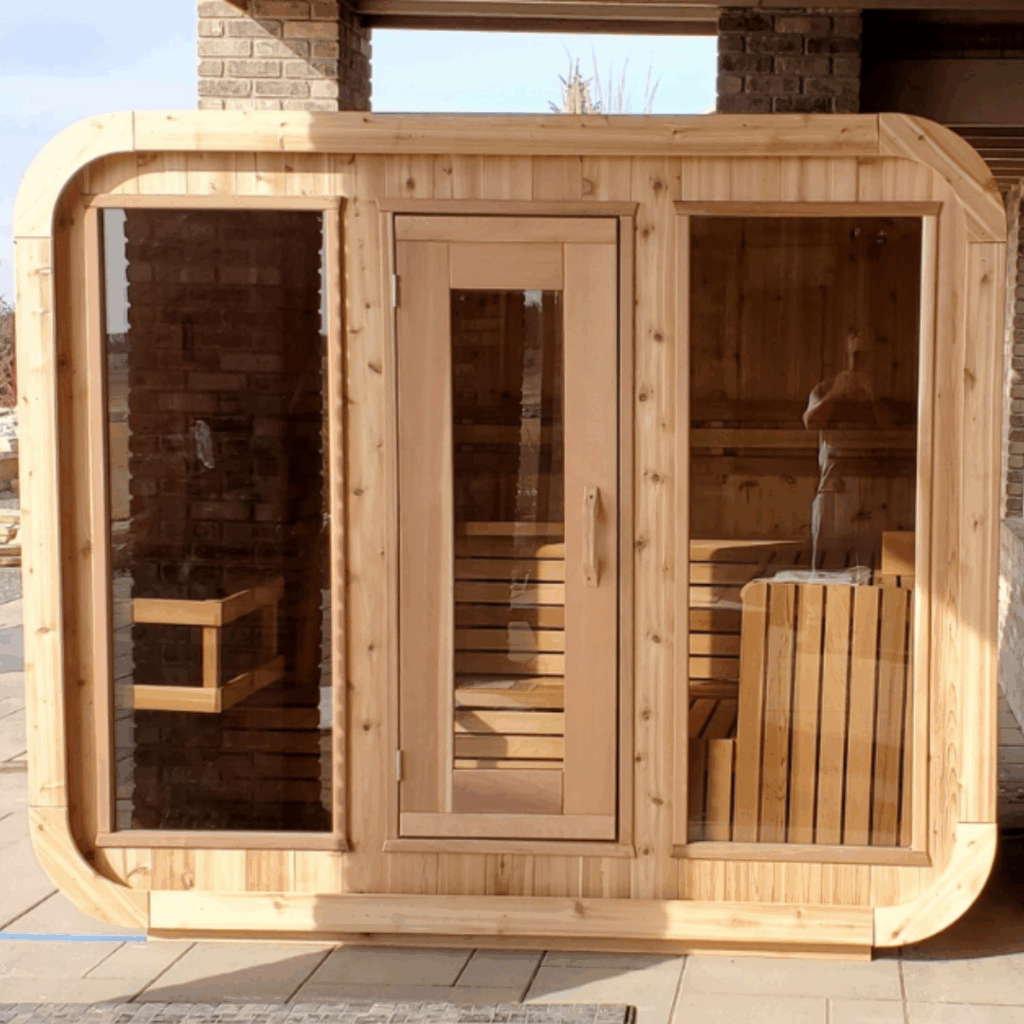
Good site planning ensures your sauna is safe, convenient, and enjoyable year-round.
Proximity to the House
Most homeowners prefer a location:
-
Close enough for winter access
-
Far enough to protect home siding from heat and moisture
-
Near a pathway or patio for easy entry
If you plan to run outdoors between sauna and shower, proximity matters even more on cold nights.
Ventilation and Airflow
Outdoor saunas need proper airflow to maintain heat consistency and prevent moisture buildup. Your installation should account for:
-
Intake vents
-
Exhaust vents
-
Natural cross-ventilation
-
Unobstructed space behind and around the heater
Proper ventilation is essential for both traditional and infrared saunas.
Weather Protection
Colorado’s climate brings seasonal challenges, including:
-
Strong winds
-
Temperature swings
-
Snowfall
-
Intense UV exposure
Strategic placement helps your sauna withstand weather while maintaining energy efficiency.
4. Comfort Considerations for the Perfect Sauna Experience
Once electrical and structural needs are covered, it’s time to focus on comfort—the personal touches that turn your outdoor sauna into a true wellness retreat.
Interior Lighting
Sauna-safe lighting creates an inviting atmosphere. Popular options include:
-
Soft LED interior lights
-
Indirect lighting behind backrests
-
Color-changing chromotherapy options
Exterior pathway lights can improve safety and aesthetics.
Heater Type & Rock Capacity
Traditional sauna lovers often prefer:
-
Larger rock capacities for softer steam
-
Deeper benches for full-body heat
-
High-flow heaters for rapid warm-up
More rocks generally equal more steam potential.
Benches and Seating Layout
Comfort is influenced not just by heat but by seating design. Consider:
-
Multi-level benches
-
Backrests
-
Extended benches for stretching
-
Ergonomic seating upgrades
Accessories That Enhance Comfort
Many homeowners add:
-
Bucket and ladle sets
-
Thermometers and hygrometers
-
Towel warmers
-
Essential oil diffusers (sauna-safe)
-
Headrests and leg rests
Small accessories can dramatically improve the sauna experience.
5. Delivery, Assembly, and Installation Expectations
Outdoor saunas typically arrive as prefabricated kits. At Bear Naked Hot Tub & Sauna Co., our installation team handles:
-
Delivery to the site
-
Full assembly
-
Heater installation
-
Electrical coordination with your electrician
-
Testing and safety checks
Proper installation ensures warranty coverage and long-term performance.
6. Why Homeowners Trust Bear Naked Hot Tub & Sauna Co.
We supply and install high-quality outdoor saunas built for Colorado’s climate, including Finnleo and Leisurecraft Dundalk. Customers choose us because we provide:
-
In-depth product education
-
Honest recommendations based on space, goals, and budget
-
Expert delivery and setup
-
Long-term maintenance support
-
Accessories and replacement parts
Our team ensures your sauna is installed correctly, safely, and built to last.
Start Planning Your Outdoor Sauna Today
With the right electrical setup, a stable foundation, and a few comfort additions, you can create a backyard oasis that delivers wellness benefits year-round. If you’re ready to explore outdoor sauna options, visit our showroom at 5749 McWhinney Blvd in Loveland, CO, and our team will help you plan every detail of your installation.